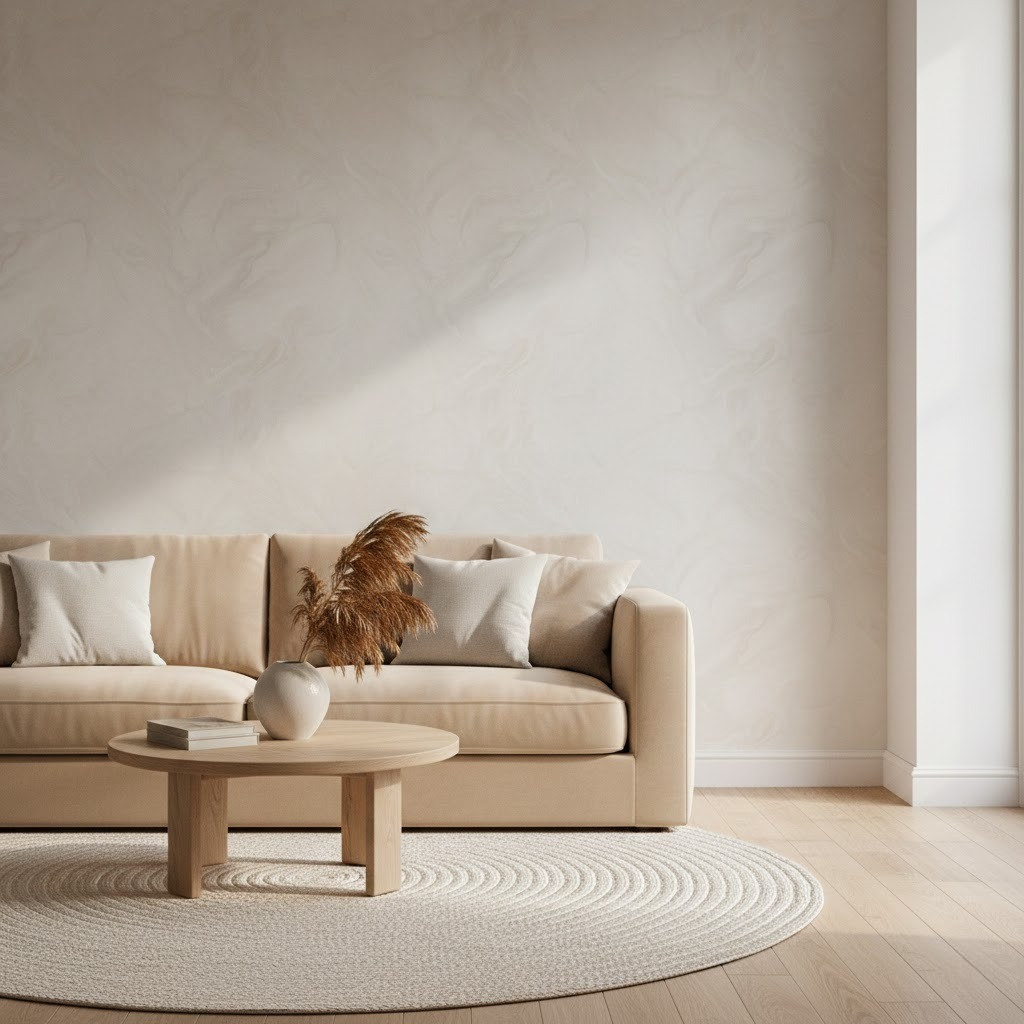
Wallpaper vs Paint Which Is Better for Your Home
When it comes to transforming your walls, the debate between wallpaper and paint has continued for generations. Both options have their advocates, and both offer distinct advantages depending on your situation, style preferences, and practical needs. In this comprehensive comparison, we examine the strengths and considerations of each approach to help you make an informed decision.
The Case for Wallpaper
Wallpaper has experienced a remarkable resurgence in recent years, with modern designs and improved materials attracting homeowners who want more than solid colors on their walls.
The most significant advantage of wallpaper is its ability to introduce complex patterns, textures, and designs that simply cannot be achieved with paint alone. From intricate florals to bold geometrics, wallpaper offers artistic possibilities far beyond what a brush can provide.
Wallpaper adds tactile quality to walls. Textured designs, embossed patterns, and specialty materials create depth and visual interest that flat paint cannot replicate. This dimensionality transforms walls from simple surfaces into design features.
Quality wallpaper can last for many years without fading, chipping, or showing wear. In high-traffic areas, wallpaper often proves more durable than painted surfaces, resisting scuffs and marks more effectively than most paint finishes.
Certain wallpaper types can hide minor wall imperfections such as small cracks, uneven surfaces, or textured finishes that would show through paint. This makes wallpaper an excellent solution for older homes with walls that have seen better days.
The Case for Paint
Paint remains the most popular wall treatment for good reasons. Its versatility, affordability, and ease of application make it a practical choice for many situations.
With paint, you have virtually unlimited color options. Custom color matching allows you to achieve any shade imaginable, and changing colors is relatively straightforward compared to changing wallpaper.
Most homeowners can successfully paint a room themselves with basic preparation and equipment. The learning curve is gentler than wallpaper installation, making paint a popular choice for those who prefer doing things themselves.
Paint generally requires less upfront investment than wallpaper. Even premium paint typically costs less per square meter than quality wallpaper, making it budget-friendly for large spaces.
Repairing painted walls is straightforward. Small marks, scuffs, or damage can be touched up quickly with leftover paint, whereas wallpaper repairs are more complex and may require matching discontinued patterns.
Comparing Key Factors
While paint is initially cheaper, consider the complete picture. Paint may require more frequent refreshing, especially in light colors or busy areas. Wallpaper’s higher upfront cost is often offset by its longer lifespan and reduced maintenance needs.
A room can typically be painted in a day or weekend. Wallpaper installation takes longer, especially for complex patterns that require careful matching. However, wallpaper requires less maintenance after installation, potentially saving time over the years.
Painted walls may need touch-ups or repainting every few years to maintain their appearance. Wallpaper generally requires only occasional cleaning and can last a decade or longer with proper care.
Paint can be painted over easily, while wallpaper removal requires more effort. Modern wallpapers are easier to remove than older varieties, but the process still involves more work than simply repainting over an existing color.
Room-by-Room Considerations
High-visibility living and dining rooms benefit from the design impact wallpaper provides. Feature walls are particularly effective in these spaces, creating focal points that anchor the room’s design.
In bedrooms, personal preference rules. Some find wallpaper patterns too stimulating for sleep spaces, while others appreciate the cozy atmosphere textured wallpapers create. Consider your sleep habits when making this decision.
Humidity and moisture make kitchens and bathrooms challenging for both options. Specialized wallpapers designed for wet areas are available, but paint with moisture-resistant finishes may prove more practical in these spaces.
For children’s rooms, consider how often you might want to update the decor. Paint allows easier changes as children grow and their tastes evolve, but themed wallpapers can create magical environments for younger kids.
Making Your Decision
Choose wallpaper when you want distinctive patterns or textures, when you are willing to invest for longer-lasting results, when you have walls with minor imperfections, or when you want to create a specific design statement that paint cannot achieve.
Choose paint when you prefer solid colors, when you want the flexibility to change frequently, when you are working with a limited budget, or when you prefer easier application and touch-ups.
Many homeowners find success using both approaches together. A wallpapered feature wall can complement painted adjacent walls beautifully, giving you the best of both options without committing entirely to either approach.
Conclusion
Neither wallpaper nor paint is universally better. Each excels in different situations, and your choice should depend on your aesthetic goals, practical needs, budget, and how long you plan to stay in your home.
Consider your specific circumstances, evaluate both options carefully, and choose the approach that best serves your vision for your space.
Leave a Reply